
Eric Cyuzuzo & Marie Umuhoza
In this episode, Eric Cyuzuzo and Marie Umuhoza, siblings and cultural producers in Brussels, discuss the challenges they face as Black space organisers and curators. They highlight the complexities of catering to diverse Black communities, including linguistic and cultural differences. They emphasise the importance of avoiding tokenism and ensuring that their events are accessible to all Black individuals, not just the upwardly mobile. Additionally, they express concerns about the trend of institutions embracing inclusion as a branding strategy without genuine commitment and the pressure on Black creatives to conform to respectability politics. The conversation also touches on financial constraints and the need to support community-started projects.
We’d love to hear your take on this conversation. Click here to scroll down and see what others have shared, or add your own reflection.
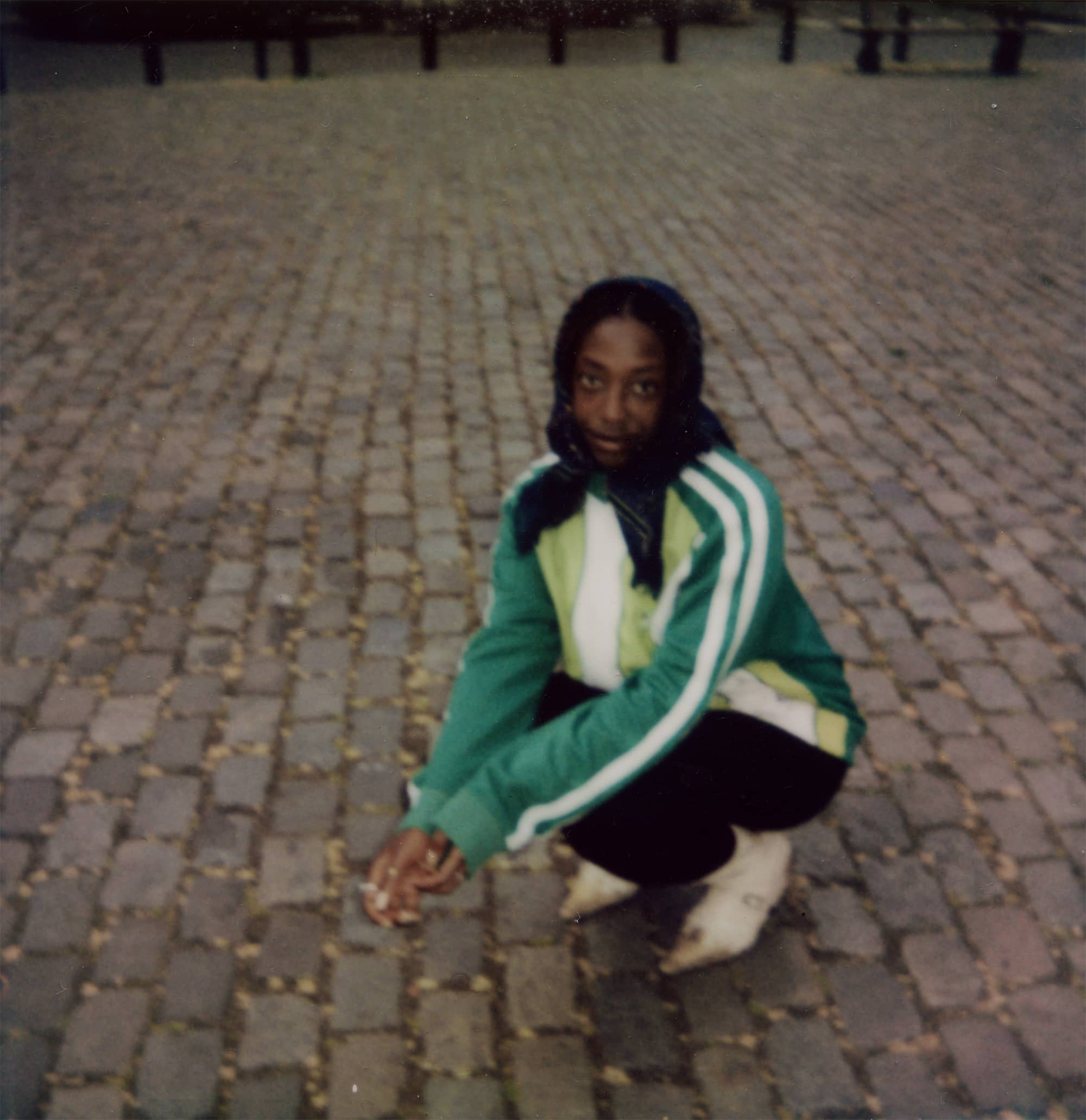
Marie Umuhoza
Marie Umuhoza (Nairobi, 1996) is a multidisciplinary creative producer whose daily life is nourished by her passions for arts and cultures. With an ingenuous approach, she explores the various intersectionalities inherent in her personal experiences, as well as those that arise in the creation, hosting, and sharing of cultures by immersed in the artistic and cultural landscape of Brussels, but also of Europe and more recently Sub-Saharan Africa.
As an artistic coordinator and programmer at Decoratelier from 2020 to 2024, she focused on the different dynamics that can emerge from intentional spaces. These spaces, both physical and mental, have been invaluable learning grounds for her. As well as programming and producing six festivals for Decoratelier, she developed ‘spending the night with’ – a research based on a series of invitations to artists/collectives to propose their visions of a night spent together. As a member of the nomadic platform Gouvernement, she initiates valuable dialogues and artistic reflections with numerous emerging artists. During the summer of 2022, after a six-month trajectory, she accompanied a group of sixteen artists from different backgrounds and disciplines in the ‘Night Shift Oostende’ project, which will evolve into the BREAKFASTCLUB exchange format. Since 2023, she has been the artistic director and programmer of the multidisciplinary festival Africa is/in the Future, which aims to shed light on issues and (re)presentations related to Afro-descendant artists and practices from the continent and its diaspora. In the same year, she became an associate dramaturg at La Bellone. In 2025, she is researching the transdisciplinary performance Holy alongside Martha Canga Antonio and Vivi Focquet.
Editor’s Note: We spoke to Marie in 2024. Since then, Marie expanded her practices as a creative producer with the performance HOLY and through her work as an associate dramaturge in La Bellone Brussels. You can find out more about her on her Instagram @hailmaji and soon on her website.
Photo credit: Melanie Musisi @musisisi
Image Description: Marie is crouching down on old block pavement, she’s staring at the camera with a soft smile. She’s wearing a dark blue scarf with dark green stripes on her head, a bright green and white jacket, a black leggings and light beige santiag boots.
Eric Cyuzuzo
Eric Cyuzuzo (he/him) is a socio-cultural worker who programs and produces multidisciplinary events (concerts & parties, conversations & presentations, participatory workshops) within Brussels cultural institutions, in fixed positions like at VK Concerts (De Vaartkapeon, 2023-…), Kunstenfestivaldesarts (2019-…), previously at Beursschouwburg (2019-2022), or as a freelance programmer and curator by invitation.
Beyond his resolutely sociopolitically engaged work within the cultural institutions that employ or invite him, Cyuzuzo is also a creator of socio-cultural community spaces, involved in various Brussels-based grassroots initiatives and platforms in Belgium that seek to highlight the histories and narratives of Black people in their intersecting identities: he has notably been part of Black History Month Belgium since 2020 (Lead Programmer 2020-…, National Coordinator 2023-…), is the co-founder and coordinator of Som•m•e Of Us (2023-…), and was also the co-founder and coordinator of Rainbow Nation Brussels (2018-2022).
Finally, he is also a presenter and moderator, but also a speaker and lecturer (in English, French and Dutch), on different themes, not as an expert, but as a person actively engaged in his own education and deconstruction, and drawing on his own singular personal experiences and how they relate to those of other members of his identity-based communities.
Editor’s Note:
We spoke to Eric in 2024. Since then, Eric has worked on expanding and refining the scope of VK Concerts (De Vaartkapeon) organically, including founding its nightlife imprint VK Saar Presents, as well as developing concepts such as #VKurated and #VKunplugged.
He continues to curate and host nightlife at Kunstenfestivaldesarts and remains part of the leadership unit of Afrocentric community organisations Black History Month Belgium and Som•m•e Of Us.
Image Description: Eric sits on the edge of a concrete ledge in an urban skate park, with a thoughtful yet relaxed expression. He is dressed in a burnt orange padded jacket, black trousers, and a beige knit hat, and wears a bright pink crossbody bag across his chest. The background shows a skate ramp covered in colorful graffiti, a few people walking or skating, and a tall modern building in the distance. The sky is dramatic and cloudy, casting a soft, diffused light over the scene. A leafless tree branch arcs into the frame from above, adding a natural contrast to the urban setting.

Transcript
Intro: Welcome to the Producer Gathering podcast, where we’ve invited conversations between independent producers in the cultural sector to talk through the issues we are facing right now. We are developing a collection of resources, case studies, events and training opportunities to support, develop, nurture and sustain producers that reflect the diversity of our communities. More info can be found at www.producergathering.com
Eric: Hello, everyone. Hello, Marie.
Marie: Hi.
Eric: So my name is Eric Cyuzuzo, I am 31 years of age. My pronouns are he, him, I’m like around five foot seven slash eight, 172 metres if you’re thinking in European measurements, am a dark brown skinned man, black man. And yeah, I am right now currently sitting in my living room of the new apartment that I just moved in. So I’m surrounded by boxes and all sorts of things. But thankfully that does not currently represent the chaos in my, any chaos in my head. And yeah Marie, please like, yeah, enlighten our listeners to who you are and where you are and how you’re feeling today.
Marie: Thank you, Eric. So my name is Marie Umuhoza. I’m a 27 years old black woman currently based in Brussels, Belgium. Today I’m having this conversation from my bedroom and I’m really blessed to have a beautiful sun coming through the window. So I’m at ease and I hope I can share in this conversation with as much ease.
Eric: Yeah, speaking of ease and sharing, you might think that this conversation feels like the people speaking to each other feel like they have this air of familiarity between them. It’s because we’re actually family. We happen to be siblings, but yeah. And actually we have quite different practices but also that have come together many times in the past. And I think it’s the best thing to do, I think, to start by telling you about our practices since today we’re going to be talking about exploring how to bring international cultural stories, especially Black stories to the stage and how to stimulate conversations in global exchange. I think then it’s really best to really start by, first of all, telling you who we are, what we do, and what our context is. Marie, do you want to start?
Marie: Yeah, I’m happy to do so. So I’m a multidisciplinary creative producer. My practice connect and extend in creation, production, writing. I describe myself as a thinker, as a speaker, and all those practises are connected. I’m currently Artistic coordinator and curator in the space called Decoratelier that I will talk about further in the conversation. I’m also the artistic director of the festival Africa is in the Future, that happens every year in Brussels as well and I work as a curator and a speaker for the platform Gouvernement, which is an interdependent nomadic platform in Ghent, not so far away from Brussels. And I also do some freelance work, What about you? Can you tell us a bit more about what you do?
Eric: Yes, so what do I do? In what order should I go? Okay, so I am also mostly a programmer and curator. I love to read, I create programmes that kind of have different parts and events that speak to each other, that resonate with each other and that look like they kind of to tell a story. I call myself also a community space organiser because I really love and feel called kind of to organise spaces for Black communities at different intersecting identities on top of that built upon Blackness but concretely I currently work as a music and nightlife programmer, mostly music programmer for our concert hall in Brussels called Vega, which is part of a community centre called the Bad Kaplung. It’s like a venue for like around 450 people, so we have concerts by international artists on the rise. I kind of have already enough of a fan base, but also do everything we can to support local artists. And then next to that, I’m the Nightlife programmer kunstenfestivaldesarts which is a contemporary arts festival that takes place every year in May, all around Brussels, in up to 20 cultural centres and public space, so of performance and contemporary arts, but I take care of the nightlife programme because I love parties. And next to that, I am also the coordinator of Black History Month Belgium which is this celebration during the month of March of Black communities in Belgium. And not necessarily there are achievements, how extraordinary we are. Our musical talents, investigating our stories, how we can collectively go against the system and anti-blackness and how they try to put us in a position of always being surviving, how to get towards thriving and how to do it collectively. So we do that through celebrations, talks and other things. That’s what I do in the month of March. And next to that, I’m also in another collective called Som•m•e Of Us, which is a curatorial collective, where we do events kind of like the ones in during the Black History Month but try the whole year so that we just don’t focus on March and we do those events with institutions and then we do the events with the institutions we call partnerships and whatever money we make from that we reinvest it into either us going to other places to create, connect with other black creatives and community organisers or organising events directly for our communities, for us, by us, in Brussels.And I was, yeah, co-programmer with Marie of the last edition of Africa is in the Future, her first edition as artistic director. Now that I have gone at length about what we both do, I think then we can just get going and kind of discuss the different challenges in cultural producing that we face as black organisers, black curators in Brussels, and be specific about what are the challenges that we face on organised events for our communities, the challenges that are because of the settings of our communities in Brussels, but then we can also then, after that, look into the challenges that we get from institutions when we want to create any work, whether it’s black-focused or not.
Marie: I think there are many challenges in cultural producing in general, and even more as black organisers and curators, and then there are also all the specificities, the unique challenges that we face in Brussels especially. So, as you might know… As you know, Eric, and as you might know, our listeners, Brussels is a really specific, it’s a hook leads diverse cultural city so there is really a large diaspora of Congolese, Rwandese, Burundese mostly, but also of other communities from Africa so this I think is something that enters that we take into account when we work and we organise because our audience is there is visible is close to us, is present in the city.
Eric: Yeah, I would definitely agree, everything is always dependent on the way you are socially and historically. Indeed, Belgium had colonies in Congo, Rwanda, and Burundi, which means that since we all tend to go, to emigrate everybody to the coloniser’s country, when we come to Europe, A lot of us then are mostly from the continents and have an immigration history that is like a few decades old so that we’re still very much attached to our original cultures and of the countries of origin, and so that organising under the guise of blackness is something that a lot of us are still kind of like building upon. how do we build upon blackness in a very organised in a way that is very specific to the context that we just don’t go and take over from what they’re doing in just like copy paste or what they’re doing in france or in the uk or in america. organising very specific about what we experience here taking into account also like the origins of the people and indeed that adding on the layer of language and what not makes it kind of tricky and indeed very much when it comes to Som•m•e Of Us, I think it’s also the richness of it all. And it’s always very nice to find out that there are some people from other places, like from North America, from South America, from the Caribbean and what not, who are also here in smaller communities. And how do we then all embrace each other and actually start organising under the guise of blackness? Because at the end of the day, if you can go back to outside, the system sees us as black but indeed it makes it very peculiar.
Marie: Yeah, I like that you use the word embrace, like that we embrace those specificities that we embrace those. Yeah, those different backgrounds without putting them under one big, one big flag, one big umbrella and that’s a bit what I meant when I said not reproducing elitist classist mechanism of institutions who pretend to have like a focus on certain community without acknowledging that this community is made of other communities and I think that in both of our practises and projects, that’s something that we try to stay really mindful of.
Eric: there’s also this thing where that is very tricky because from the positions that we occupy and the resources that we have access to, although they’re not infinite, especially when we’re organising this institutional space, institutional places, it’s very hard even for us when we put together our events to make sure or to avoid that they are only accessible to kind of our networks and our networks which are made of people who are also kind of highly educated speak more than one language and are in this path towards being middle class and what not and when actually you know that when it comes to organising under the blackness now acknowledging that blackness also comes and originally comes with a condition that pushes you towards more marginalisation and oppression. And then to be like, yeah, so we are not always the ones who are the most affected by it, but then how do we make sure that the people who are most affected by the experiences that we’re telling in this story in these spaces are also there or feel welcome to be there if they want to be there because the voices also not to force it, the way some institutions force it through tokenization. But I think that all Black people, especially the ones whose experiences are centred when we talk about marginalisation and oppression, can access those spaces. the way we create events is, I think, also then, even within ourselves, influenced by institutionality. And that’s also then a challenge that we have to fight. And I know that even within, Som•m•e Of Us, and Black History Month, How do we make sure that we don’t look like with this festival or what now organisation for socio economically, moveable black people to come and talk about these topics amongst ourselves, you know, socially economically mobile, It’s something that we have to reckon with and I think that also inspired us to be like, okay, let’s take some of these resources that we get to talk about blackness, our collective identity, and organise things outside of institutions, really for us, by us to really make sure that this is not just our primary focus
Marie: Yeah, so I believe it’s really, indeed, important that we stay mindful, to not repeat or get too influenced or tempted by what institutions deem important and trendy at a specific time. first time institution, inclusion became like their flag, their branding. But the reality is not always as it seems or it’s an opportunistic one or it is a really framed one. So I think that as black cultural workers in Brussels, that’s also something that we acknowledge on a daily and that we try to point and distance or turn around quite a lot.
Eric: it’s been mind-boggling and baffling the amount of like every time sometimes when you do an event in like in an institution and like Everybody is allowed to be in the audience even if you’ve invited like black people to specifically talk about things that happen within our communities and what not because you want to use these resources and by resources i’m clearly saying money because otherwise we don’t need to be an institution to have those conversations but if we’re gonna be be paid to do it, it might as well, like those moments might still might as well still have value and be like centred on us, but like whenever those events happen, like the amount of time the people who work from the institution and whatnot comes in and be, like, this was so important and necessary, this is so important, and this is, so important necessary, and I’m like, oh there’s something that kind of feels like it’s coming from like this superior place. And when you’re in the rooms organising those events then you really realise that indeed it’s like about filling is like oh no this is going on right now we should have an event about it this has a moment momentum going on we should have a event by it and i’ve participated in those meetings because at the end of the day it’s our jobs like the way we we make our money but i think it really just really helped me always understand that at the end of today this is not a revolutionary this is now where the revolution happens you can have, indeed. Good conversation, important conversation, record them, like keep them for posterity. But at the end of the day, indeed, it’s very often dependent when it comes to resources and having resources to do things dependent on one institution’s theme important and trendy at the time, which is that great to them, like I said before, then try to then push resources as much as we can towards like actually community-started projects. mind boggling, because you then see that the black people that were taken on by these institutions as artists in residence, sometimes as permanent permanent positions, then are still very much disposable but there’s this thing where you still have to constantly, like, prove yourself and because you always have to remember that it’s disposable. And if indeed this trend dies, they’ll still find a way to blame things on you to put things on you and kind of dispose of you like depending on where you’re working and and of course they always expect you to be in this position of respectability and I’m like, listen, always think, like never remembering where they come from and what position they can occupy in this. But you always have to be respectable. according to their rules and like, there’s so much content on the internet about how professionalism comes from white supremacy, like the notion of professionalism.
Marie: Yeah, and I have to say, I just realised how connected it is to one of the previous points that we touched, like what is trending at the moment, because for institutions, I think a few decades ago, a few years ago, it was trendy to position yourself critical of the institution. It was a real movement of artists, mostly white and upper-middle class. We’re like, okay, I’m gonna reject everything that is related to institution. And I think that a lot of reason to do so, and I think it paved the way for a lot of change, but still at the time institutions were claiming those artists, like, thank you so much for being critical towards us. Thank you so for helping us change. But now in regard to black narratives, black cultural artistic narratives, expressions, and people, there is this thing of, Hope it. Eh, look. Since we are part of the change, you should not critic us, you should come to us, you should come closer, and from there share with us like it’s sometimes I have the feeling that they believe it’s due to them. Because since they’re giving us platform, we owe them a certain knowledge and the respectability that goes with it. So this, this ground can be a bit a bit tricky. And obviously not all institutions act the same way. And I believe we are lucky enough to work with, if not institutions, but individuals that have a more genuine knowledge of that, depending on which project and which time, which moment.
Eric: Because that same person that in the morning you’ll be like okay this person might be helpful in me getting my thing done might be the same person in two hours day that’s gonna say something that be like oh wow you still literally see me as someone who should be more docile you know
Marie: No, I hear you, I hear you. And also what you said before, touched on money. And I think as a resource, financial resources is also one of the specific and systemic issues that impact the representation of international cultural stories. In the sense that like, money is resources, resources, financial resources institutions are for the most public connected. So-called connected to their audiences and to the public, but still money stays, I don’t know, a tricky interesting variable. I would say that both of us in the past and still in the present, I believe, have been praised for being able to do so much with so little means. And it was said, with the most elogious tone and with like sparkling eyes like wow you can do so much with so little and they praise you for that and it also comports them in the idea that to reach those forms, topics, stories, narratives you don’t need so much and this keeps on nourishing sometimes the way they provide budget and fees to black, brown artists, curators for their work. So that’s also, I think, something we should touch on.
Eric: No, it’s actually quite hilarious because the first job that I ever got in the institution, like actually, I got two jobs simultaneously. I was like working half time, but one of them, the person who was currently occupying the position before and their boss came to me and he made me feel like, oh wow, so we saw what you were doing in that like community centre that we were both volunteering at like, we saw like you were able to do that with no money, with no resources. So imagine what it could be and then I had like stars in my eyes and like yeah let me come and do the job we’re going to be doing things we’ll be doing talks and we’re gonna welcome collectors and blah blah and then I come in they’re like I’ll see your budget for the year is 6000 euros and I’m like oh wow Okay, and then also, then I keep you up with and I’m like, Okay, so I’m coming from corporate, so imagine it’s not the same salaries, but can I make this and this money? And then they were like, No, we work with the Bahama, I guess, like, minimum that they stick to when actually just supposed to be the minimum that it starts from when negotiating with you, as to what they’re going to pay you on the month basis to do those things that they make it seem as it’s the institution because also when you work with institution. It can never be like curated by Eric for that institution, so that it like really looks, no, it’s like curated by them. So I’m like, I don’t get personhood of my work. I don’t get paid enough money. The budgets are shit, but I’m supposed to be happy and smiling like Sambo and I think also like to come back on what you said earlier, What when they were like, oh supporting all these like white, white artists and like or like people who have proximity to whiteness because like it’s not just white but like the people who kind of buy into whiteness which sometimes I might do as well so it’s just always like a position of judgement even if they’re like black or brown like you said but like how they’re praising those artists but like artists who want to be like yeah no actually we we want to do things our own way and the money that you have actually is owed to us when we look at the past. People who should be controlling that money when it comes to reparations, It’s us and it’s still being the exploitation of people who look like us on the continent and actually we’re not even the first in order because as people who have been living in Europe, the first people who should be getting those reparations and whatnot are the people that it took and still taking everything from. So when you come and position yourself as being like, actually, when you walk into a room and be like, all of this as a Rwandan, as a Congolese. I would love if you’d just destroy this and make something that would really be up at the cultural development of people and whatnot. Then that’s when they’re gonna have a problem. And especially also when you’re come as a black person, you’re like, actually, all of these cultural creations that you’re doing in here are somehow birthed from black people’s cultural creation all around the world that you’re diluting and making a bit more mediocre to be able to present here. And so if we step into it as black people, I’m like, and we don’t we don’t want you to do it anymore. We don’t want you to have the rights to do this anymore, then they’re going to be very critical because we’ll be like, yeah, because we’re not getting public space. They’re just always going to critical and with all resources, the more actual critical of the practice that they are when actually they were like, Yes, let’s. Like, it was like the buzzwords be like dismantling institutions and then rebuilding them from like, yeah, no, if we tell you that we don’t want to dismantle, dismantle sounds like a cute little game of Jenga. We maybe want to take a whole like thing of institution, take a whole wrecking ball and just crush it. And maybe not rebuilt it because things functioning in an institutional way is maybe not the right way. So it’s, I don’t know. It’s very interesting.
Marie: I was really into your words because I can relate in so many ways even if our practices are not exactly the same, this landscape in which we are navigating is quite blatant on those aspects. Yeah..
Eric: Us not having not being from from far being the people who have it the worst because at the end of the day we remain people with a european passport, identity card we organise our things mostly through ours through subsidies because even if some of us get paid by a SIVA this amount of money and then we take the money to invest it into an event for us by us with food music dance and conversation that people don’t have to pay for at the End of the Day what still finances that is subsidies. It’s just like indirectly, you know. So we’re still working mostly and around with subsidies and plus we’re in positions where we have a monthly pay so we’re not the worst because I think then that makes me want to think also like touch upon like what the challenges are with working with people who are not in those positions like the Black artists, Black curators who we want to make come from abroad especially during things like Africa is in the future, which is why then I’m coming more towards you, like, what are those issues that you feel like you’re facing the most?
Marie: Visa issues and production issues are the most blatant example of those systemic issues that impact the presence, the invitation that we aim to provide to artists from the continent to artists abroad. And if we don’t wanna stay in this usual, North-South dynamic of we invite them, we go see what we like. If we want to break that and not indulge in those ways that the cultural and art world, have been diving in for decades now, I think we have to really rethink how we can facilitate, how we can acknowledge, how can we take care of the movement of these artists without repeating those cultural dynamics of It’s indeed a challenge that is, there’s quite some specificities that as for myself and as ourselves last year with Africa is in the future, we got to get closer to, I believe that yeah, it’s about staying really aware of those dynamics, being able to name them, to see them for what they are and then finding our own ways to not repeat them through the collaborations that we have, through the fonts that we can find and provide for them by making sure that it’s not just a displacement but a real invitation, a real shared opportunity for both parts.
Eric: I always have in my mind where I’m like, I want to be like this like whatever we do in Europe is literally made necessary even us black people who are like I said socially economically awkward movable, but even any black people in here that kind of have like papers and whatnot we can celebrate our black joy, our black rest away from resistance on the daily and whatnot but even though celebrations take us at the end of the day, depending on black people elsewhere, continuously being like exploited because there needs to be like different like levels in capitalism so like some people must absolutely suffer so that people suffer some people suffer slightly less so some people barely suffer at all and for others they have everything and I feel like we’re kind of the second level here being on the second level of this, then I’m very mindful to be like, OK. Yeah, let’s make sure that indeed, we do not recreate those dynamics and whenever we engage with people who are at that level underneath us. That, yeah, we don’t further participate more than we do by being in the belly of the beast, by being in Babylon, that we have to.
Marie: Yes. Yeah, acknowledging where we’re from, acknowledging where we stay and acknowledging where we’re put sometimes in which position, in which fringe, in which margin, and in which centre. As from our practices, we are sometimes centred in certain contexts but this centre also exists because of the margins that are created around it, so I think it’s a constant self-reflection and self-acknowledgement of our own positions, of the ones of the people that we aim to collaborate, exchange with.
Eric: I think that comes back also to what we briefly touched on at the beginning, which is always working, making sure that you’re really taking in consideration the context of it, instead of focusing on our realities. And when we position ourselves and we’re acknowledging ourselves, it’s also always within our realities and timings and contexts. And instead of following, like, uh the ones of the black people in the bigger empire who because i always also like just a little side note i always love to be like very careful when i say things like that because it then makes sense makes it understand as if black americans or black french people have this black people in the uk in the netherlands have this like a huge privilege from this when actually it’s because they come from empires that have this cultural hegemony and invisibility that when we look for things about black people we’re going to look the ones find about the ones from them but when we we all know that black americans for example are not the ones making profits within capitalism from black american culture it’s everywhere around us but it’s not black americans making the most profit from it even when they’re the creators of it even whether the image of it the performers of it. Behind it, it’s usually not black Americans making the money and the money is not going towards their community. So when I say things that it’s important for us to not simply copy paste or simply follow the way they do, it is not an indictment on them. It’s more about like, okay, our version of our little empire is going to use the fact that the visibility of those black people to be like, oh, the black people here have something we don’t need to creep. Whatever. You know, F this big platforms that create series and shows and whatnot, I wish we could create ours. But I always feel like, for example, they use the fact that through Netflix or whatever, we have access to shows about black people in America that they’re like, oh, we don’t need to create anything about the specific conditions of black people in Europe. Yeah. And it’s the same thing within our cultural thing where they’re always going to be, oh there’s this creation about from this person, from there, there where they can take distance from it and be like, oh, it’s amazing, and they’re making this great work about being black in the Amazonian, of black in Detroit and it’s so inspiring and Nelson Mandela and these figures without being like, yeah. If we did the same work about our context here, the first people being criticised would be the people in the audience and the people making it happen and they don’t want that confrontation and so that’s why for me, it’s like it’s not an indictment of this, like the side note is going to end here. It’s not indictment of these other black people from this even more homogenous places but it’s an indictment on the system here that doesn’t want us to focus on our context and to criticise our context and to work on our content and to gather collectively and create those works in our context, because yeah, then it’s going to be just a critic of here, and then we’ll think of how to dismantle our local concepts, and that’s not what they want. And I think that that’s why, for me, it’s important for us to also discuss it. But yeah, how we really have to, at the end of the day, try to focus as much as we can on our contexts.
Marie: Yeah, and also, as you mentioned, spotlighting, like putting light on the diverse specific perspective and personal experiences, which I think, for example, myself as a curator, I was not pushed in that position because I’m grateful for most of my collaborators, but I could feel that there was in some specific moment, a kind of expectation or an idea that I could create programmes of Black artists, of Black narratives, without really being specific on which ones we want to amplify, from which angle. It’s like if they sometimes expect for us or they do themselves this pick and mix of black artists and black narratives, hoping to have a this programme on blackness, but actually really researching a uniformity with the rest of the narratives that they want to push forward so they will guide you or they will go to a certain specific type of discourse, of narratives, of forms, of practices. Most of the time, not acknowledging the diversity of it, the plurality of it and something that I’ve been really busy with lately is the question of emerging, emerging practices, emerging artists, and I think that in context of working with black artists, curating them, that’s a word, words that comes all the time like emerging practices, but emerging for who? Emerging narrative, but for who like did you never heard of it before, or was it never told? And I think most of the time, it’s the first one, it’s like this, this school never found the space in the institution, and so they will either frame it as emerging, never heard before, or they will put it close to another narrative, just that is a black one. And implied that it’s part of the same story.
Eric: at the end of the day, it is all this whole like Columbus thing. Good thing that happens because they also love to discover us. This is something that I’ve noticed so much for like something so many people like behind closed doors will claim how they discovered me as a curator or whatever, give me the opportunity, but really like, but also discovered this artist that is doing this narrative and is questioning the status quo and blah blah blah. That is doing this thing that is again… So important and so necessary. it’s like this whole thing. you didn’t discover us, you came across us and decided to bring it into this content and put this institutional spotlight on this. And so yeah, I didn’t like it’s new, but it’s not, its really, really not.
Marie: I would say about your work and about mine as well, a way that we’re also countering or taking a distance from this way of this institution, I think, is by recognising and valorising experiences as much as they would valorise academics, because they still have this idea of the black intellectual. It comes again to respectability that we were talking about earlier, that they are ready to hear every narrative, but from a specific type of people. They are ready to see all forms, the most innovative ones, but from a person that they see as enough of an expert, enough of an artist. So I think both of us are really trying in our projects to give value to what has been done, even if it’s distant from the eyes or the realities of the institution.
Eric: Because yeah, they love to invite like black people who organise, who occupy spaces like within institutions already, including us, of course, but then also like, for example, academics. And I was thinking with speaking with someone and they were like, actually, when you think about it, researching and academia is one of the most like it’s very hard to talk about decolonization and talk about academia and whatnot, because it’s very extractivist, you know, it’s about going like even the people who call who study like things based on blackness is usually studying the experiences and when it comes to violence, like institutional violence, state violence, whatnot, of people who wouldn’t not even be allowed to step foot in here, going, studying the experience is making statistics and writing thesis about it. Going on flights to go and train to talk about it and whatnot, and then put on a pedestal, ever wondering what your production all these thesis and whatnot what are they actually doing to change their material condition at all, in anyway!
When actually a lot of those things have already been written, they’re not really to be proven anymore, or that knowledge sits with the people themselves who go through that every day. So why would we need to have someone else research and thought and whatnot about it to platform them? And so I think it’s kind of the same thing. And also I think It’s also going against de-elitification within even our own circles, where other people just for the sake of, yeah, I’m black and I’ve experienced something, all of a sudden I’m an expert in this and I’m going to do on panels because I present well, I can speak enough languages and whatnot. And so I’m an expert on race, on decolonization and whatnot, and I am like… You know what? You could take the invitations, just go be like, yeah, as someone who has just experienced racism, but only my experience or do your things. But no, the fact that you position yourself as an expert, you’re kind of playing the game. And I also do this, I try to also be very mindful of that and how I create things and whatnot. And I think when we look internally, because I think this is something about us looking internally, it goes back. You can also take us to the next thing, which is about like, yeah. like internal how we also have internalised things you know and we can then look at the double standards that are placed upon us but also like in the ways that we we fight some things that we have internalise from being institutions and our whenever next projects we take on how we fight to fight what the own anti-blackness that we might have internalised, you know?
Marie: Like this notion is like defined most of the time by the institutions for their audiences. And then it becomes this, I don’t know, not this trend, but it tends to be the whole season of all cultural places. But if we take , for example, the example of dances, like dance practices that started in the clubs, in the streets, in the church. Churches and that are now entering institutions. And so you really see this, this is like this, as you said earlier, this thing of, oh my God, what did we just discover? What is happening on our stage in our houses? And there is a risk there that institutions tend to then translate those practices to make them merge with their way of working. For example, ballroom entering institutions where they want what they see, as you said earlier, they want what they see on Pose. They are not really ready to deal with individuals, with artists who present their practise, a practise that is so intimate, that is rooted in history and in specific narratives or specific communities and institutions want them to be there, to be visible, but I don’t think they always measure the risks and the costs that they’re putting on those practises and on their recognition towards broader audience. Like, when they’re trying to make those practices readable, who are they doing it for? And are they aware that in their ways, they are altering it, not the essence, because the essence is so far from them, but they are altering the path of artists in that scene, in that practice. And I was talking with a friend about it, and there is a reason why institutions also aim to especially young artists of these practices because they see them as more maybe ready to adapt, ready to translate.
Eric: And then and yeah, and it’s ridiculous because then they will also not realise how they approach maybe they will realise maybe it’s all on purpose But how they’re perpetuating everything that was wrong with it because when you took the example of ballroom because you mentioned it I was like when you look at pose that show had so much colorism in it. So much colourism like you could really feel that it was not fully written and created by black trans, women black women of trans experience who are the originator of the scene and especially the darker skinned ones, because it was full of colorism and like some some like trans misogynoir you know and things like that and then when you look at it uh who now they’re platforming in belgium it’s like when there are campaigns because when you think of institutions everybody wants to think of the theatres and whatnot but to me brands and whatnot are all institutions and when you look at the campaigns like doc martins or whatever your new alcohol thing that one includes world-made buggers it’s always going to be like they’re always going to have like the the non-black ones even the ones who claim POC or who are POC i guess but like the non black people among the black people they’re always going have like those the biracial ones like the light-skinned ones the more palatable ones um and and not necessarily also go for the best because the best were very often the best the ones with the more authentic will have the best ones and one will often be like the black ones and the dark-skined ones And, uh… Yeah, and and then those people will become the most visible and then became kind of like the gatekeepers in some kind of way and and also like I was following this class by this this this workshop by this man amazing man called Thomas D’Avacresto who is like has his own dance like afro Centric dance dances company in Norway and did a whole like PhD about it, you know, even if you just talk about PhD, but I’ve seen Thomas come and kind of like reinvest the knowledge that he got from it with community and youngsters, but where he was looking at the history and dances and everything be like institutions dilutes cultures, mediocrity cultures, so that people who are more mediocre, although they start with a big advantage in life because they have access to means of training and whatnot, then can do them and be mediocre and get rewarded from it and get platform from it. So the point of institutions is also to dilute, like to go get black cultures, dilute them, make them more mediocre and have put them on the pedestal, on the platform that is their institution with their money and everything, have the people in power and with money, which is the higher classes come and applaud them on those pedestals and kind of make it the visible standards from it when you know them well that the people who originated it and the people who are still practicing it at the margins within their birthrights as the heirs and heirs of those cultures are doing it much better and whatnot and I think this is what happens and then yes and then really like yeah they will pick a few to be emerging when actually that thing being born it’s cultures are decades old and everything but while it’s emerging practises, it’s a beast to fight.
Marie: It’s a beast to fight. Talking about beast to fights, you kind of touched upon it earlier, but I’m sure we have still a lot to say about it like internal racism and double standards. Like we can, I think, maybe now touch upon the pervasive issue of internal racism within the cultural production sector. Like we mentioned already that there is sometimes the… Ali, how can I say that? Yeah, the risk that expertise, academic expertise is seen as better, more valuable, more important than experience, individual and collective experience or the illusion of white institutions being for everyone since they are funded by everyone, I think there are a lot of double standards there.
Erica: No, absolutely. Like, like, for me, I would say that, for example, this thing that is like, you know, it’s not even about imposter syndrome and whatever, but like, how indeed they’ve built these platforms based on what they think that is great and that is good and that is quality. And sometimes, like I’ve always told people now like I’m kind of trying to smash the classism and racism in my head that has deemed that mainstream means bad, that popular means bad or means less niche. And that then the quality of my work is going to be less acknowledged because I’ve realised that I’m like, oh, if I want to put a party where like the DJs will not be searching for the darkest edits of a song ever made and like people will actually be able sometimes to sing along to a song or whatever. That I’m like, oh, but no, it’s not going to be seen as a quality enough or a research enough and whatnot, or if a lot of artists on stage that make like, quote unquote, traditional music and what not be like, Oh, this is too expected and whatnot. And I was like… No, now I’m going to do it with pride and I’m actually going to push for it because I’m like, no, these are people who won’t be given a chance because of the same bullshit that I’ve internalised. Like when I think about it, for example, if a black person was organised a party that is like Afro-centred and I want to play like Afrobeats, Ballyfunk and I love these like very like they’re attached to very black diasporas and or like continental things, They’ll be like, oh, it’s too obvious. So they will give less of a chance to like make it darker, make it more niche. And the people who quote unquote make it darker or more niche are the ones that something is going to be thrown to, especially the non black ones, especially the black ones. And I’m like, no, actually, you know what? Come make your thing that is quote unquote that they love to call as accessible and whatnot within my space. And let’s have fun. Let’s actually dance. And the most people are going to be centred on the dance floors of the people that can actually dance those things and experience those things. And not the ones who were then eventually diluted. And so I had to also be like I start going as niche and quote unquote to their standards with the way to go into the institutions. I’m like, you know what? Fine, if my thing seems too accessible to mainstream to basic for you, I don’t care. As long as the people are dancing. If I cannot be dancing, I do want to be like, I want none of it. If I can be having fun and if and also those events will actually welcome a bigger array of black people. So I’d be very happy with it. But this is something that I had to kill within myself.
Marie: Yeah, it’s definitely taking space within us as Black creators, producers, working or being related to more traditional, more white-funded institutions. And I think we have to stay always mindful that whiteness was never, will never be, should never be could never be the moral compass for the way that we work. But still… It is for the way institutions work, for the way that they are organised. Like I was having a conversation last week with dancers about their practices and how it is for them to be in the institutions, and I was talking with a hip-hop dancer and with a vogue dancer, a ballroom artist and they were telling me that it’s funny that institution wants to be inclusive, and they want to open their doors, but they don’t really want to adapt or look back at themselves and see how they could reorganise, how they could, what they have to change maybe within them for this collaboration to be possible. Like one of them told me that they were once a bit like not making fun, but not taking too seriously this hierarchy that exists between this dance genre, like the houses, the crew members, the mothers, the OGs. And that they were a bit like, yeah, without realising that their whole structure is based on a hierarchy that is way less profound and meaningful than these ones, so it’s always easy for them and in certain regards for us who are part of this institution to look at the other one, to look the one that we invite and point all the specificities without acknowledging the ones that we have in the way that we work, in the way that we organise. It’s like those double standards are within us, but also at the core of the institutions.
Eric: Absolutely. I think also like, yeah, at the end of the day, it always comes up also to resources, you know, and how like, Yeah, I think it’s just important to be like, okay, when we’re in this positions, we have the resources, like, how do we ourselves undo the things in our head that make it so that actually, these resources that are there can be used by people who will. Yeah, who’ll be able to do something different. Because I always say, like, it’s sad that somebody, for example, me speaking of nightlife, somebody who’s black and wants to do the type of parties that I talked about earlier, would have to gather so much of their own money and find a deal with the club and then hotels and all this kind of stuff to do this and then hope and pray that their party succeeds or fails and but some random white kid who has had controller in CDJ since they were 16. So who had all this time to be better and who have the networks and who know people and can come and be like, oh, I want to organise a party and I want you to give me 5,000 euros because I’m organising around these genres and it’s just gonna be like ”oh these genres” we don’t know them and I think it’s it’s groundbreaking, it’s revolutionary. Here are the 5, 000 euros. That person doesn’t have to worry about that they can take a thousand euros to themselves to pay for themselves for the event. And then the 4,000 to get big names and all this kind of stuff. They’ll have someone for doing production and whatnot. And I’m like, it’s so unfair. It’s really so unfair, and I’m like, now I just want to be like, yeah, no, I want to be now doing things the right way and being careful if I give a chance to. But also, I think it also takes who you have in those institutions with you. Who you have, in those decisions with you and then who you can actually collectively organise with. As well to make those things happen, that is not too much for you because at the end of the day it’s who, yeah, everything depends from who you’re doing the things with.
Marie: Yeah, yeah, yeah definitely. And I think now you’re also touching on the fact you talked about networks. I think also as black curators, producers tell me if I’m wrong or if you disagree but in comparison to sometimes white people who do exactly the same job as we do, there is a double, double, double, triple, double standards coming in because first off, and that’s something that I said commonly, having to be educated and connected well beyond the requirements of our non-black counterparts or again talking about networks that, our networks are being taken for granted because they see it as, yeah, these are your community without acknowledging that, we take care of our community. We spend time with our community, we make time to understand what they do, who they are and their practices and this I feel is often taken for granted because as black curators, black artists, we are a margin within a margin and sometimes this position or the acknowledgement of these positions allows institution to be even more biassed towards us and our work. And again it connects to something we said earlier, not fully acknowledging the conditions that we come from or the connection, the conditions that were still in right now, even part of their teams, even part of their project, so I think it’s a, it’s really specific of our experiences as cultural workers.
Eric: No, absolutely, it’s in those networks of solidarity or, yeah, or are very important and yeah, but I think it’s like, and even when you look at those networks of solidarity, I think he makes it so, so like, much like visible, not only that, indeed, I think you have to be a certain way to even be a black person in those spaces, you know, when you connect with other black people who are in those places, like I said, like highly educated, connected, and whatnot, or be so young so that they can be like, I think someone we can mould, but they’re like a prodigy, but they just necessarily want to mould you like they’re a golden child. But I think also then when you think of network, but on the outside, this is something that they also want so much from you, like the amount of time that I hear that I’m getting in this position is because of how great of a network that I have and that it’s taken for granted as theirs. And not actually, I’m like, do you know that I had to build that? Like, it’s not, it’s such a boggling thing to me that I am like, it’s experience. This network that I have is a reflection of experience. It’s not like some secret society of us black people who knew cool black artists that will all come together. It’s like, no, it’s a reflection of my experience and whatnot, but that will never be reflected. But actually, that will come as expected for anybody who’s black to come into this thing. You’re supposed to come with revolutionary ideas, you’re supposed to come with already everything already folded up with a vision and whatnot that they would never expect from all the nepo babies. That’s another question. But like all the nepo babies and whatnot. Who comes into those spaces? That’s something that I also feel like it’s kind of such a huge double standards. Like also what they get from it. Like to me, it’s like this imbalance, you know? It’s like, this such huge imbalance. Like at the end of the day, like I said, it’s always curated by them when, even when it’s partnerships and never your name specifically appearing on it, like people have to make the effort to go look on your page and whatnot. On or on the team page and they get so much social clouts from it they get validated as progressive from it and whatnot while not yeah not white not all the while not recognising your all the work that it takes to get to this and also how where your hunger comes from like where your like i always tell people where my drive and my passion come from is because i’m like i’m only in here for a little bit and like i said i’m always in danger of being pushed out, so while I’m here and while I have access to these resources, let me do as much as I can out of it. It’s coming from that. It’s not coming from like, oh, I’m so passionate by this. No, it’s also because I’ve very much realised that the leeway and the time that I have to do things is always going to be limited and how disposable you can be as a Black cultural creator / producer. So that, yeah, you’re gonna want to achieve as much as you can while you’re there because you know, that’s always there and you don’t control the thing, you don’t have the power and they get the clout and I was in this position where we wrote this dossier and I was giving them my best bits and my best words to some more progressive because I wanted the money to come in so that I can keep working with the artist and do more and more and improve my position is this and throughout the whole semester, where we came from back, where our application or funding application that we had written was being analysed. I was like putting out concerts with a super diverse audience like they do. They will come and take pictures and all this kind of stuff, so the institution looked good as hell. It’s not even within one or two weeks of them being confirmed that they had the money that they actually fired me but they got a 20% increase on the million and a half that they were already getting before for a year and I was like this is how, this is this possibility one-on-one, one-on-one where they extract as much as they can and that’s why I was like yeah I’m happy that I did everything that I could while I was there because I knew it had an expiration date.
Marie: We also wanted in this conversation to talk about collaboration, how to build them, how to make them sustainable and in that regard, to the questions of autonomy and trust in the cultural sphere, we already mentioned some points in regard to that topic, but maybe we can discuss a bit more the critical need for autonomy and trust in establishing successful collaboration.
Eric: When you’re in an institution that’s like majorly white and you are black person or like majoring non-black and you want to do something there about your identities and people like and invite people there. At the end of the day you’re like you you know that you’re not fully in power and so that that’s sort of that in that collaboration there is yeah a power dynamic and for me, I would like to hear about how you go around it and the things that you’ve noticed about it when it comes to that, when it goes to that power dynamics within calling quote on quote for collaboration still.
Marie: Yeah, I mean, those power dynamics, sometimes they start in a really early phase, being by how they invite you. I think there are many ways to start a collaboration with making sure that you look at your collaborator in the eye from a shared level, even if, let’s be honest about it, they are in the essence of the way that cultural institutions and art spaces are organised, there is, even if they’re fighting in the last years, there is a hierarchy, there is verticality that exists. So even if the invitation is not made on exactly the same ground, there is a way to make sure that from the early phase, your collaborator feels as… I’m putting brackets, but meaningful, valuable to the collaboration that you do that is not just an invitation to come nourish their programme, but really an invitation to create together, to shape something. I think it also comes with the honesty. Like I invite you, why? Why do you invite me? Why do you invite me for this project? When my collaborators are able to acknowledge what they get in it, it’s also easier for me to then embrace what I get from it. Because, as we said earlier, they get social capital from the curations or the project or the collaboration I would do with them. They get validation from other black artists and cultural workers like, okay, if they did a collab with Marie, that means that they stand on some specific grounds. Yeah, so it’s giving them credibility towards the next or other black and brown artists that they will want to work with. So yeah, so I said the invitation, the honesty of it. The credits, I think, are also important in collaborations because, as you said, being a producer or curator within an institution, depending on the scale and depending on people, definitely, the credits are also not always visible. Like, it’s visible enough that it’s you who made it, but it’s not stated. It’s not named because they want to get the social capital. In the project that I mentioned earlier, I have to say that I’m quite grateful that because of the scale of Décoratelier, gouvernement, Africa is in the future, I had the feeling that my work is acknowledged and made visible in many many ways, but I can think of previous collaborations where I actually did the work and where my name is not really made to be visible. It’s not invisible, but it’s not made to be visible as well, so. Those are mostly my experiences and then there is this, because if there are ways to make it work, definitely, but if we think, for example, of inclusion, as we’re talking about it earlier, there is again a double dynamic because, inclusion is, is supposed to be an active notion, like to be inclusive is to be active. It cannot just be intention. It can be the starting ground of an action, but it can’t remain in the word of intention because inclusion, an inclusion that is not made in an active way, is then just pretending, like question yourself how you can adapt to working with me. Oh, because I will do the same like, oh, you can what you can learn in regard to work in a better way, in a more meaningful way with me so I think when collaborators and even institutions want to be inclusive, they have to be mindful of their position to the one that they’re going to take once they acknowledge it as well. Consider if it’s really a collaboration or if they’re actually asking for an order, a command. So yeah, collaboration are a topic that we could say a lot about, I feel.
Eric: Yeah, but even the whole concept of inclusion itself, you know, like I said, I’ve always been so like always make me squirm because I’m like, indeed, like you said, like, you choose to include, it’s something that you can opt in and out of whenever you feel like you need to do it at that moment, or you should do it at that moment. And also, like I always think this image of a hand picking something and putting it on a platter. So you, you choose to include into like the hand is still you and you’re still the the hand with the platter and the resources. I don’t think it questions much yeah it’s always good to be invited to do a project and whatnot but at the end of the day does not put much in question especially when people do it in the name of inclusion and also because you know how with the whole inclusion at one i make it always make it seem like they’re filling their diversity quota which kind of takes away from the fact that not actually I’m here because I’m damn good at what I do and and I was choosing for this project comes out well Like yeah, it’s from your point of view the fact that I’m black and whatnot helped me like me get the be chosen for this And I just know that even from for just for being black. I could not be here if I not worked very hard, even be in consideration if I’m not working very hard. Or I would then be in consideration because they want to make an example of a black person who will fail because I don’t have I will not be able to do it. So, in whichever way, the black person in the position still suffers more. So don’t like and or like either suffers more or, or has to even be much, much better than whoever. That’s why, like, for me, the inclusion thing is like, and indeed, and at the end of the day, like you said, like to get social capital. Clout social capital, which then turns into economic capital, like the subsidies that I mentioned earlier. So at the end of the day, it’s always in your advantage to be, quote unquote, inclusive and the collaboration is always you always get more of it than me, because if I get invited with the collective to curate something and they gave us seven hundred euros, a thousand euros, but it looks so good and so successful and they can take amazing pictures out of it for the next year when they apply for funding from XYZ. They got so much more from it than I did. Yet they had the whole power the whole time. Yeah, but yet they can boast about being inclusive and deconstructing things. And you do not deconstruct anything.
Marie: I think it’s interesting on regard to the conversation that we just had to conclude maybe with answering a question that maybe our listeners may ask themselves. Oh why do you keep on doing it then? Why do you keep on working with and within institutions? And I think both of our answers will still touch a lot of things we said before, but that can also give maybe a bigger, broader, fuller picture of why we’re having this conversation today as well.
Eric: I don’t know. For me, at the end of the day, I’m still doing this because, like I said, I’ve found a way, maybe it’s to soothe my soul, because I know that anything that we do in institutions is now revolutionary. So maybe it is to help me sleep at night, but having found ways to kind of redirect the resources that I get from institutions through the collective to organising community events, it’s like pushes me to do more and more. Also, even when it’s within institutions, wanting to do quality things, which is need more and more to do things. And also I’m like, tomorrow, if it’s like, let’s go revolution, let’s go revolution. I’m down. I will not be like, oh my God, but do we really have to do revolution because then I will lose my job and I will be not be able to do thing and this centres will get destroyed. No, I’ll be down but while we’re still living under capitalism and all having to survive, through capitalism, I would rather do surviving doing something interesting and that I can come back to eventually when it comes to rethinking the next better world, having created from that than not. And also, like I said, while we’re now doing revolutions, some Black kids, some very talented kids, and non-kids as well, older people, want to put on cultural creations and to help us enjoy this world even through like give us some joy and rest and also ways of thinking away from resistance and survival. And so yeah, I still want to be part of making it happen, even if I realise that it’s not super equitable when it comes to who even gets to me, some people have to already jump hurdles to get to me as a gatekeeper.
Marie: I’m grateful that I let you answer first because that was such an answer in which I found myself in so many ways. I would say that I keep on doing it because until the revolution starts, that is my way of revolting or revolutioning my world. I don’t know if it’s a proper way to say so but I believe that… By my position and my actions in the projects that I’m part of, I in my own way facilitate spaces of autonomy, facilitate spaces of empowerment, facilitate spaces of community and even though I do this through sometimes contexts that are not the easiest or not them, Not the most comfortable. I facilitate spaces that are. I don’t fully believe in the notion of safe spaces because our society is not safe in essence, but I believe strongly in comfortable spaces. And through my work, through the curations that I do, through the works that I produce, through the conversations that I’m part of, just like this one. I’m creating or I’m facilitating the creation of more comfort, comfort of thinking, comfort of action, comfort of creating, and creativity is wise and will be a big tool of all revolution for a better reality for us. So let’s say that I’m taking care of Utopia until dot dot dot, that would be my answer.
Eric: Yeah, no, I love that. Yeah, contributing, contributing to create places for and thinking amongst us sometimes. That’s beautiful.
Marie: But maybe we can also, because I said let’s run this, but maybe we also talk about how is it different when we independently do it, because we’ve been talking a lot about cultural institutions and our path within them, but I think we both have the opportunity, change, sometimes struggle to also work independently on some project, so. Maybe we can share a bit how it’s going in regard to those more independent ones.
Eric: Yeah, absolutely. I think, you know, like I said, once these resources have arrived on the accounts of Som•m•e Of Us, and VHM and all that, and then we have to create our own events, it’s about, yeah, the struggle is like, we don’t have nothing. You know, we don’t own much. Like, we have some community spaces, like, and that’s also why we’re aiming to do more and more with VHM, for example, is to be like, okay, instead of doing this event, in this institution, since we have the money to pay the people can we also then do it in a community owned space like a restaurant or whatever that opens their doors to us and then they make all the money from the eating and drinking that is done during the events but then at least the conversation that is supposed to be for us, by us is, also had within a space that is owned by us or controlled by us so this is what I’m trying to do but then also we don’t always have the possibilities to do that because some spaces are not accessible. Like when I think of Som•m•e Of Us,, the space that we’re occupying and organising events at, it’s on the third level of a building, of an industrial building with no lift. So our siblings that have different mobility requirements when it comes to accessibility are not welcome. We don’t always have the right sound installation, so that our DJs got frustrated. But I’m like, yeah, I’m really giving the best that I can or when it comes to lodging people, I cannot put you in the big hotel and whatnot. And yeah, all these requirements. I try to really pay decently anybody who’s doing work for me that it’s a project that I decided needed to happen. If it didn’t come from you and I’m asking you to contribute to it, I have to pay you because it’s my vision or our vision of our collective. We can then work for free, and plus we can afford it because most of the people that are in the collective have other ways to supplement their income on their day-to-day life.I‘ve learned from experience that’s not doing the things correctly when it comes to administration and whatnot can endanger people knowledge is not something that we have either because we have not bathed in institutionalities since we were kids. we don’t have access to resources, whether they are material, financial and whatnot. So it makes it hard, but then you create networks of solidarity with people and you learn by trial and error, trial and error, and then you get to doing better. So you have to redo everything yourself as a group or as an individual and it’s hard, t’s the most gratifying work at the end of the day as well. It really is. It’s also where I meet the most amazing person, the people and where I get inspired. Like I was doing this interview the other day and asked you like, who inspires you? And I was like, yeah, okay, beyond my parents and their tenacity and the tenacity of our community, it’s also the people who are actual activists. Because I always say like, whatever work that I do is not activism, because it’s not revolutionary and it’s improving the lives of our people on a macro scale or on a bigger scale, on a community scale. It’s the little people around us that it’s influencing. It’s not really activist work, it’s inspired by militant efforts more than it is activistic but when i meet actual proper activists are like there and helping like families and like directly doing the thing there’s all people who inspired me and that try to then invite to those things not to put them in the belly of the beast that’s why I’m blessed to be able to do it through Black History Month Belgium, through Som•m•e Of Us, collaborating with collectives that do nightlife, like Sugar Sugar and all this kind of stuff. Like it’s, that’s what inspired me at the end of the day.
Marie: Yeah, that’s super inspiring and I’m aiming myself to do more and more work as an independent curator. I have to say that the project or institutions that I work with for the most are specific in the sense that, for example, Décoratelier or gouvernement that I was talking about earlier are artist-run projects. So even though they enter certain paths of the classical institutions, there’s still have an independent way of working in that regard and allowing me also to have more independency there. And I would say that in the few other projects that I did outside of them, what is then, as you were mentioning it, the artistic vision, direction is smooth, but then it’s other production and financial aspects that end up taking more space. I have to say, sometimes it can feel like it’s a lot more, but sometimes it also can feel like the easier part, where a solution can be found. So I think there is a real balance in the good and perks of independent and cultural work in that regard.
Eric: And hopefully we’ll help find the balance without burning ourselves out.
Marie: Yeah, definitely. But talking about balance then, is there maybe a piece of advice that we could share to early mid-career, independent producers who are literally like underrepresented and that would like to work in the cultural field landscape?
Eric: Don’t be afraid to start initiatives, but also to join initiatives when you can learn things. Don’t afraid to also be involved in, like we said, independently project initiatives because I think it will help you always remember what you’re doing that for. If you truly care about representation, know how we always say like, if you truly cared to be doing the good part of representation, because I don’t always believe in representation and how it’s been like commodified, but if you believe in the good side of representation like representation only matters if you collectively matter to the person representing you. So if you’re a black person and you’re in this position and you care, truly care about black people and advancing and helping the living conditions of certain black people, black artists and whatnot in your position, then I’m okay with you being heralded as representation. That’s what I mean. But if you don’t really care, if you are a teacher, who doesn’t give particular attention to the black kids, like I’m not going to be like, oh, a black person as a teacher, amazing, you know. Otherwise, it’s all smoke. So if you really are wanting to come in this as a place of like, let’s come, let’s occupy spaces, do things, be part of productions that are going to institutions, because then you will make a great network and we’ll have you come with a job. The people that have hired me, usually I’ve known them before. Or the people who’s had the job before me, I usually know them. And so they’ve put in a good word for me or whatever, or I come because I’ve networked. So like, network, know people within institutions and whatnot, so that you can get into a position where you can make money from doing this. Because at the end of the day, it’s also fun. I love what I do. I just don’t always, always love the context of where I’m doing it and the focus and whatnot. So yeah, network well, do things, be part of independent projects, within independent projects, don’t be like me. Don’t be like me, which is ask for help and accept it, but as long as you feel you’re not exploiting things or using people’s skills who they usually make money from while they’re still in the precarious, like if an artist or graphic designer is in a precariously situation and this is the skill that they do, don’t ask them to do your thing for free. Like, no, that’s not okay. But if it’s someone who, like you, has already a job and on the side they want to help and help the community project in advance, then if they propose their help, take it and you don’t need to be, at the same time, the curator, the producer, the production manager of the hotels and everything and think because you will not think of everything, and that they might impact your events negatively, so don’t be afraid to ask people who know better to come be involved.
Marie: Those are all advices that I’m also taking for myself as good reminders because mine would be to take care of yourself because being a cultural worker, or curator, if I echo what we said earlier and the care that we like to put in our collaboration, I think this care can only happen, can only be sustainable if as individuals, first off, we take care of oneself, like taking care of our energies, taking care our curiosity. That is something that I say really often that we have to nurture to take care of our curiosity in regard to keep it alive and to be able to embrace it at its fullest because there is so much coming from curiosity, energy, inspiration, desire to do more, to do else so. I would just give as an advice, take care of yourself, take care of your curiosity, take care of your time and your resources like Eric just said, don’t be scared to ask for help. Don’t be scared to be honest with yourself, because I think knowing what you can do is a beautiful strength, but knowing what you’re not able to do yet is also one of those and is as precious than the other one. We can thank each other for this conversation that we had, for this time that we still made because even though we are siblings, we are sometimes colleagues, we are sometimes friends. It’s also nice to listen to each other as, yeah, the creators and producers that we are, and to be reminded of your experiences that even if it’s really close to mine, still has their specificities, so I’m really grateful that we could dive in to those questions together and to keep on learning from you, Eric.
Eric: Absolutely
Eric: Uh, yeah, of course. And thank you again all you do for also like being inspired because I’m always inspired by the next generation and how they’re doing things and be like, damn, let me step up my game because yeah, they’re during what there has to be done. So, and thank you for this conversation because it’s, it felt so natural and I was like, we have so much to say, but it’s also being nourished by other conversations that we’ve had so much experiences that we had so much over the years up until yesterday. So like it’s thank you for anybody who took the time to listen to the end. It’s very humbling to know that you yeah, it’s very, humbling, to know all the things that you could do with your time that you chose to listen, to us and to give importance to our words.
Leave a comment
